


Quick answer: Not when you wear them for the right jobs. The American Podiatric Medical Association (APMA) says backless shoes change the way you walk and advises against wearing them all the time. Backless sneakers suit short, in-and-out days. For long walks, sport, yard work or a foot problem, wear a shoe with a heel and a fastening.
We sell backless shoes, and we still won't tell you they suit every day. Here is what experts say, and when to pick something else.
What podiatrists and orthopedic surgeons actually say
The clearest line is in the APMA's patient leaflet How to choose the right shoe: "The best shoes support your foot, front and back. Backless shoes actually alter the way you walk, and that can cause foot injuries and discomfort down the line." The same leaflet adds that you don't have to give up your flip-flops, "you just shouldn't wear them all the time."
The APMA's flip-flop tips go further: don't wear them for long distances, because "even the sturdiest flip-flops offer little in terms of shock absorption and arch support," and don't do yard work or play sports in them.
The American Academy of Orthopaedic Surgeons (AAOS), in its OrthoInfo guide Shoes: Finding the Right Fit, says a shoe should match your foot shape and your activities, such as standing for long periods or walking long distances.
One honest caveat: most of this advice is about flip-flops and sandals, not closed-toe backless sneakers. A backless sneaker covers your toes and has a sneaker sole, but that doesn't cancel the warnings. It still has no back, and the one source that names backless shoes directly, the APMA leaflet, says "not all the time," not "never."
Why the open heel matters
AAOS OrthoInfo explains that the heel counter is the back of the shoe that holds the heel in place, and that a stiff counter offers greater heel control and stability. A backless shoe has none, so the vamp, the part over the top of your foot, does the holding. AAOS notes that if the vamp is too loose, your heel may slip out. That is why fit across the top of the foot matters so much.
In a flip-flop, AAOS adds, your toes must grip the shoe to keep it on, and as your heel lifts off the back, your arch is exposed to more stress. Podiatrist Georgeanne Botek, DPM, makes a similar point in a Cleveland Clinic article on flip-flops: shoes that don't hug your feet make your toes work harder, and flip-flops can change the way you walk, especially when worn for hours.
When backless sneakers make sense
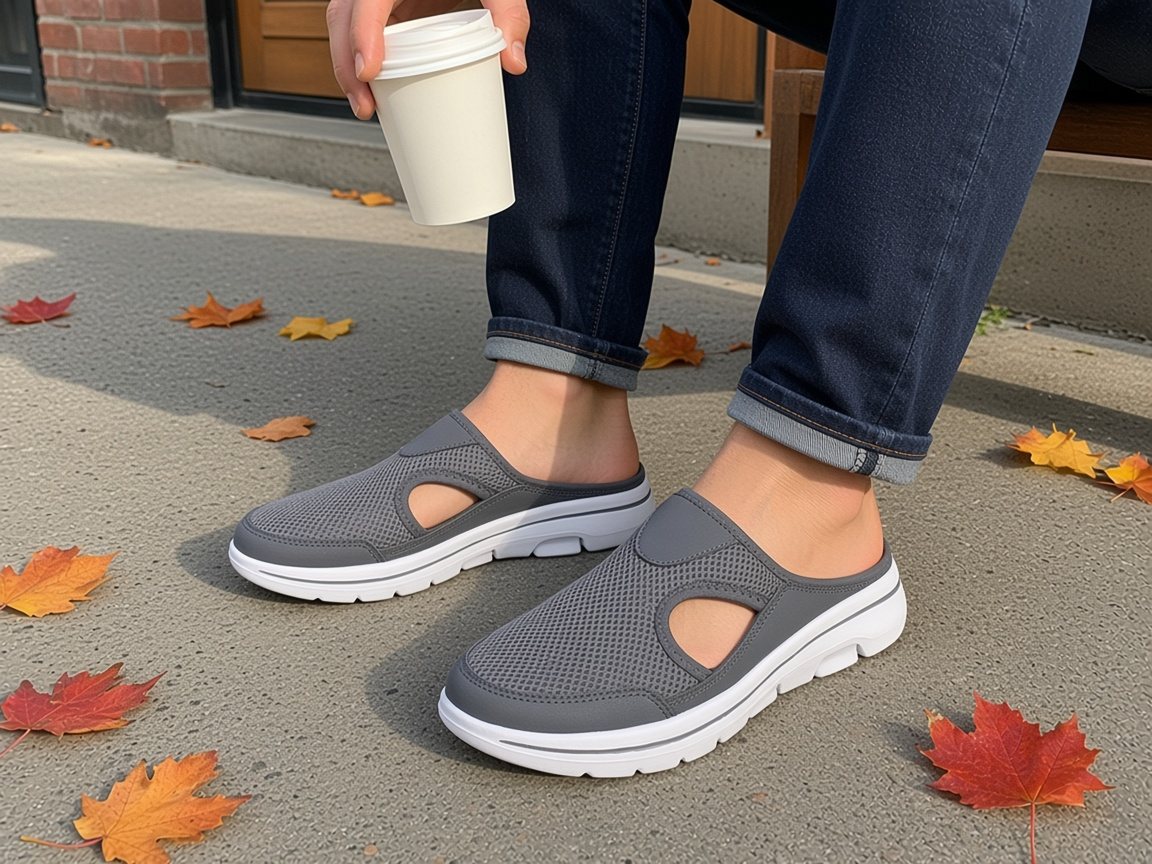
In the Cleveland Clinic piece, Dr. Botek says flip-flops are fine for quick outings but not for long walks, all-day standing or running errands for hours: "Point A to point B, that's it." She means flip-flops, but the frame fits any shoe without a back. Good backless days look like this:
- The school run and quick errands. Drop-off, the post office, coffee.
- Around the house and the yard path. Bins, deliveries, the mailbox. Not yard work.
- Travel days. Quick off and on at airport security.
- Working from home. Short trips to the door and back.
When to pick something else
Choose a shoe with a heel counter and a fastening when:
- You will walk a long way or stand all day. The APMA advises against long-distance walking in flip-flops, and Dr. Botek says they aren't made for long walks or all-day standing. A backless sneaker still has no heel counter.
- You play sports or run. The APMA's flip-flop tips warn that sport in them can lead to twisting of the foot or ankle.
- You do yard work. The APMA says to always wear a shoe that fully protects your feet when mowing the lawn or using a weed-eater.
- You face lots of stairs or uneven ground. Dr. Botek notes that flip-flops can cause slips or falls, particularly on stairs.
- You are driving. Our product pages list driving among the activities our backless shoes are not intended for.
- You have foot pain, a foot condition, diabetes or neuropathy. Ask a podiatrist first. Cleveland Clinic advises extra care with flip-flops if you have neuropathy from diabetes or other conditions, and the APMA's footwear tips for older people say to talk to a podiatrist if you have specific foot issues. The NHS Borders guide to buying footwear, written for people being treated for a foot problem, lists a slip-on "kept on the foot by curling the toes" as unsuitable and prefers a firm heel counter with a lace or Velcro fastening.
| Good backless days | Pick-something-else days |
|---|---|
| School run, coffee, a quick errand | A long walk or a day of sightseeing |
| Around the house and to the mailbox | Mowing, gardening or other yard work |
| Airport security on a travel day | Running, gym or any sport |
| Working from home, short trips out | Standing all day at work or an event |
| Flat, dry pavement | Stairs-heavy routes, trails, gravel or wet grass |
| Passenger seat | Driving |
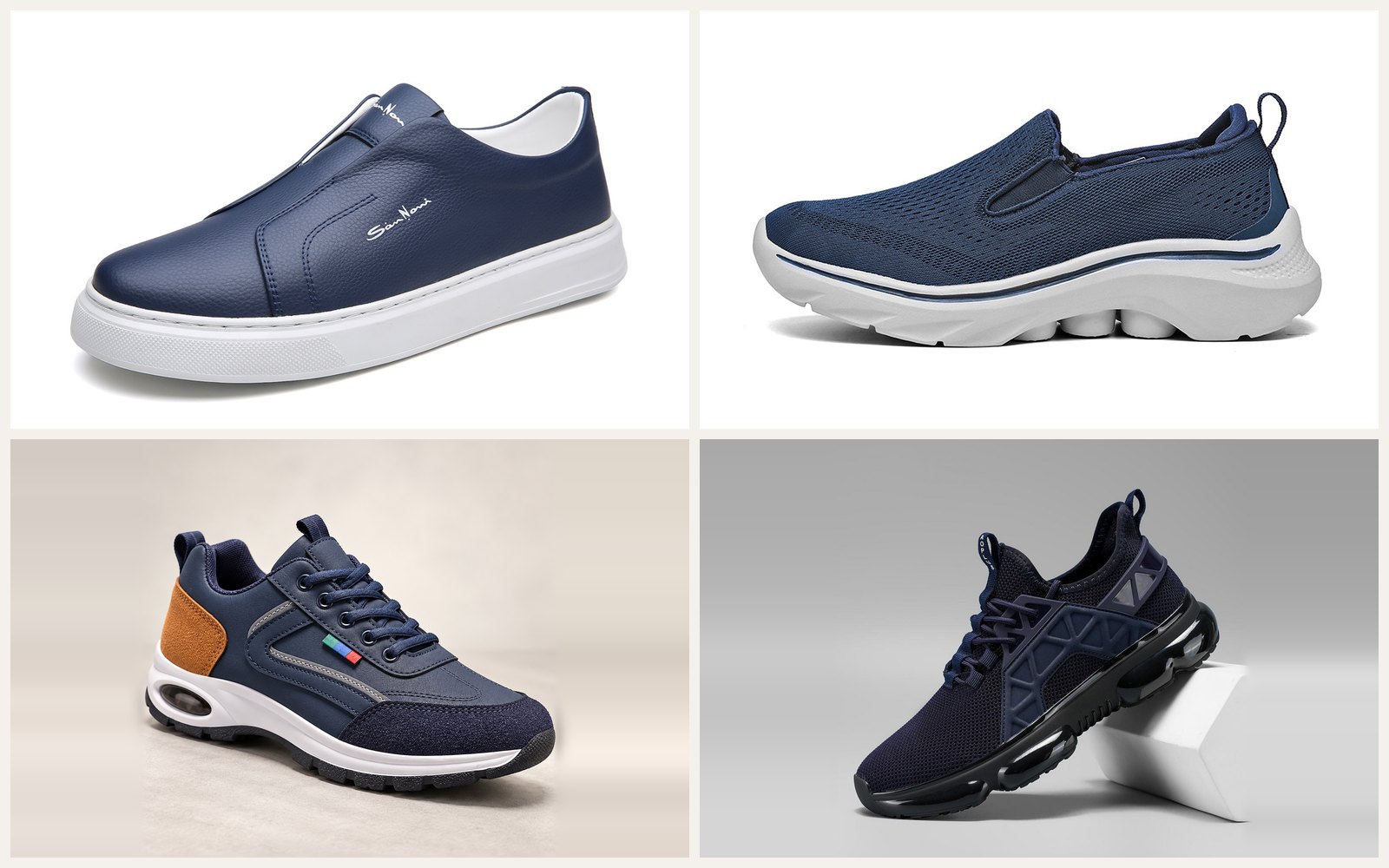
Want slip-on convenience with a heel? We make four closed-heel styles:
- Hands-free step-in: Marin pairs an elastic slip-on entry with a fully closed heel. Motion has elastic side gores, a fully enclosed heel and a rear pull tab.
- Lace-up: Metro has an adjustable lace-up closure and an enclosed heel with a padded collar and pull loop. Vector has a fully enclosed heel with front and rear pull loops.
For more on these designs, see backless sneakers vs hands free shoes and who hands free shoes suit best.
How to wear them sensibly
- Rotate. AAOS suggests alternating a less supportive flat sandal daily with a more supportive shoe, and the APMA leaflet says not to wear backless styles all the time. Make your pair one shoe in the rotation.
- Size for your larger foot, later in the day. The APMA leaflet says to buy for your larger foot and that a shoe should fit comfortably on the first try. AAOS notes feet may swell up to 8% through the day, so shop toward the end of the day, wearing the socks you plan to wear.
- Do a quick sole check. The APMA's 1-2-3 test says a shoe should bend at the toes but not too much, and shouldn't twist in the middle, and its flip-flop tips add that shoes should never fold in half. The test's first step, pressing the heel, doesn't apply to an open heel.
- Replace worn pairs. The APMA says that when shoes start wearing out, it's time for a new pair.
Tip: Before heading out, think about your longest stretch on foot that day. A short hop? Go backless. A long walk, stairs or rough ground? Grab a shoe with a heel.
Our guide to stopping backless shoes slipping off is coming this week. For a buying checklist, read how to choose men's backless slip-on sneakers.
Backless picks for short days
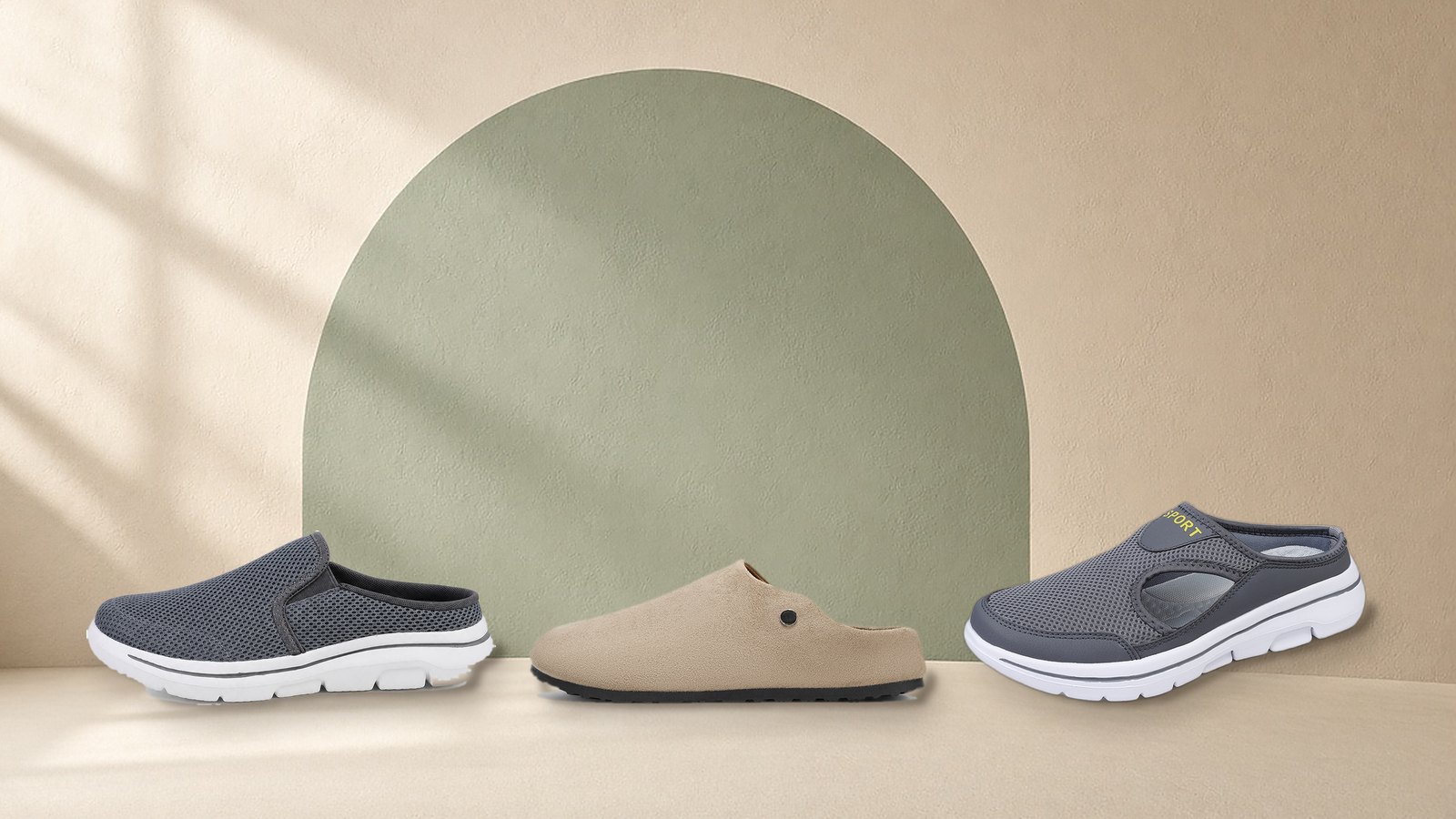
- Harbor cushioned knit backless sneaker: combines a cushioned knit design with a backless opening for relaxed, low-effort everyday wear.
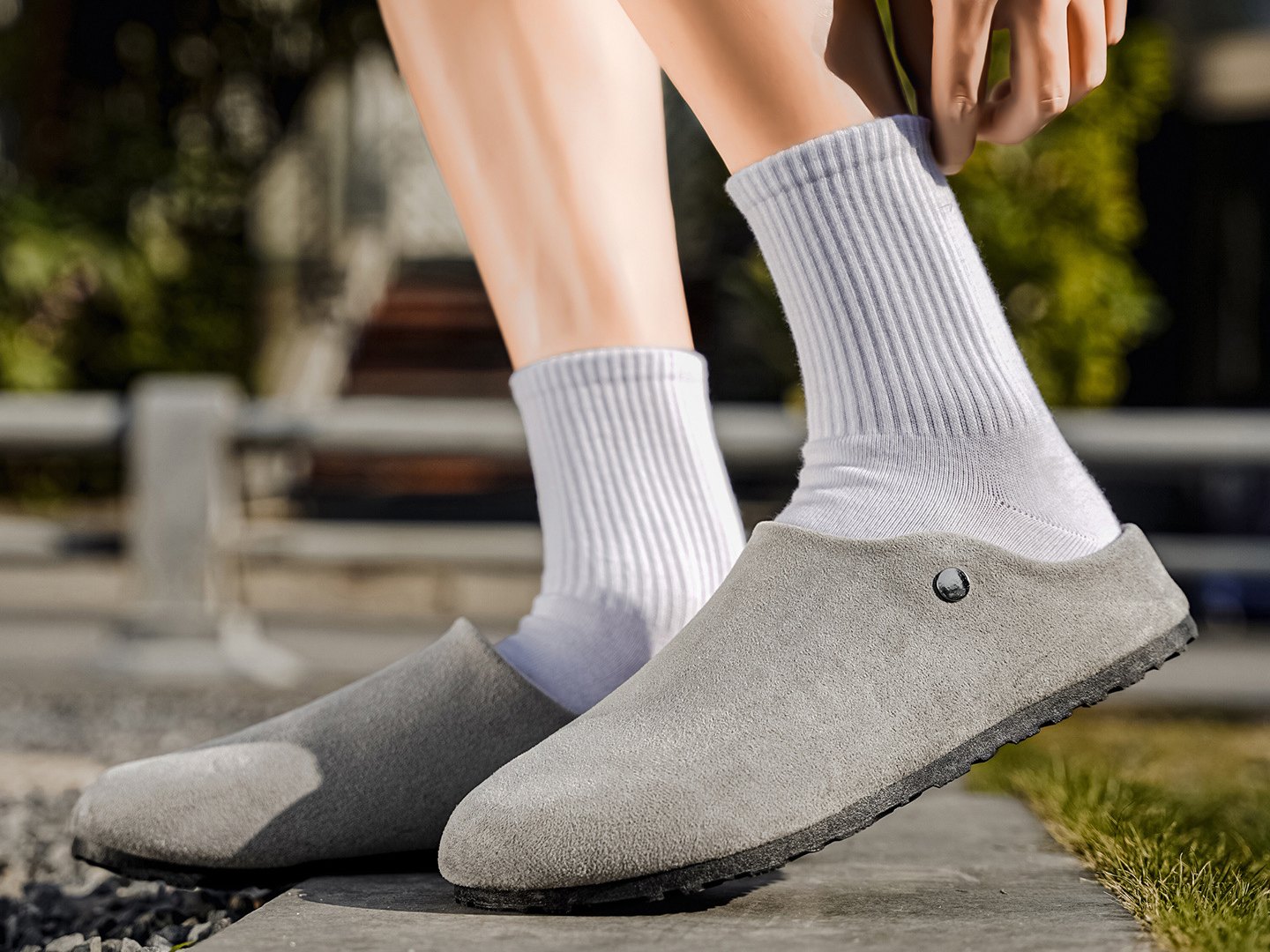
- Sierra rounded-toe backless mule: a clean, softly textured-looking upper and an open heel with a low heel rim, in Khaki, Gray or Black.
- Breeze ventilated mesh backless sneaker: a ventilated mesh profile and an open heel that is easy to step into.
FAQ
Are backless sneakers bad for your feet?
Not when they're used for the right jobs. The American Podiatric Medical Association says backless shoes change the way you walk and advises against wearing them all the time, not against wearing them at all. They suit short, in-and-out days. For long walks, sport, yard work or a foot problem, wear a shoe with a heel and a fastening.
Can you walk all day in backless shoes?
Experts advise against it. The APMA warns against long-distance walking in flip-flops, and Cleveland Clinic's podiatrist calls them "point A to point B" shoes. Closed-toe backless sneakers aren't flip-flops, but they still have no heel counter, so keep long walking days for a shoe with a heel.
Why do backless shoes slip off?
With no heel counter, the front of the shoe has to hold your foot. AAOS OrthoInfo notes that a loose upper lets the heel slip out, and with flip-flop-style shoes the toes grip to keep them on. A snug fit across the top of the foot matters most.
Who should avoid backless shoes?
Anyone with foot pain, a foot condition, diabetes or neuropathy should ask a podiatrist before wearing them regularly. That's general guidance from Cleveland Clinic, the APMA and NHS footwear advice, not a diagnosis.
What if a pair doesn't work out?
Return it within 30 days of delivery, unworn, unwashed and in the original box. Exchanges are for quality issues only, so for a new size, return and reorder. See our return policy and FAQs.
The bottom line
Backless sneakers are a convenience shoe. Wear them for the short, frequent trips that fill most days, and switch to a shoe with a heel when the day gets long, active or uneven. Delivery details are on our shipping information page.
This article is general information, not medical advice. If you have foot pain or a foot condition, talk to a podiatrist.